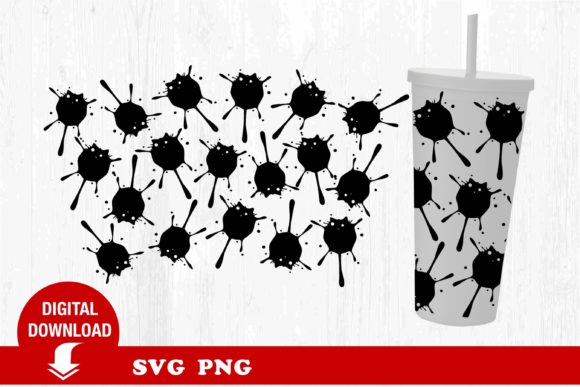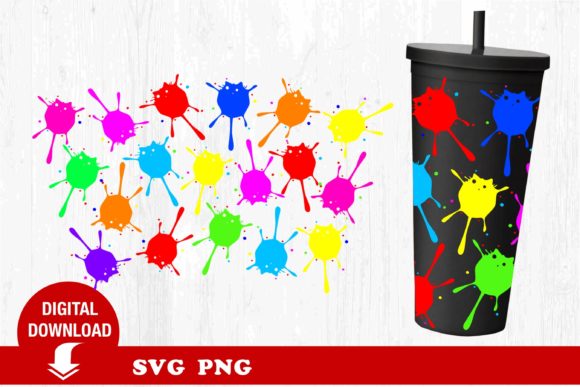
Paint. Tumbler Svg. Spots. Сat
A Designer’s First Glance: Charm with Quiet Confidence
Opening Paint. Tumbler Svg. Spots. Сat feels like unrolling a sketchbook page — soft, intentional, and full of quiet personality. It’s not loud or overly stylized; instead, it leans into gentle asymmetry, subtle negative space, and that unmistakable feline ease — head tilted, one paw tucked, spots arranged like accidental brushstrokes. The “paint” in the title isn’t literal pigment, but a mood: loose, hand-finished, slightly imperfect in the best way. As an embroidery designer who’s stitched hundreds of animal motifs, I immediately see where this lands: not on high-density corporate apparel, but on handmade tote bags for a local plant shop, baby onesies for a boutique nursery line, or tea towels sold at weekend craft fairs.
Where It Shines — And Where It Needs Thought
I tested Paint. Tumbler Svg. Spots. Сat as a machine embroidery design on three real projects: a cotton twill apron (medium-weight, stable), a lightweight linen pillow cover (slightly slippery, low nap), and a 100% cotton toddler sweatshirt (soft, brushed interior, moderate stretch). On the apron? Crisp, expressive, and instantly recognizable — the satin stitch outlines held beautifully, and the fill stitch in the cat’s body stayed smooth without puffing. On the linen pillow cover, I added a light tear-away + cut-away hybrid stabilizer, and the spots retained their roundness and separation. But on the sweatshirt? That’s where attention matters. The curved shoulder seam and fabric give meant I re-hooped mid-stitch and used a basting stitch first — not because the design failed, but because its charm lives in clean lines, and those lines need support on textured or stretchy surfaces.
This isn’t a design built for tiny hoops or ultra-dense fill areas. Its strength is in readability at 3–4 inches wide — ideal for tote bag corners, left-chest placements on tees, or centered front embroidery on baby blankets. It works well as an applique design too: the silhouette reads clearly even before stitching begins, and the spot placement gives natural anchor points for fabric layering.
Fabric & Function: What to Watch For
- Dark fabrics: The design relies on shape and contrast more than fine detail — so it reads well on navy or charcoal, especially with a bright thread (mustard, coral, or cream). Avoid ultra-thin black thread on black fabric; go for tonal contrast or metallic sheen instead.
- Curved surfaces (caps, mugs, tumblers): While the SVG/PNG files are great for print templates and heat-transfer prep, remember: embroidery on curved items requires digitizing adjustments. Paint. Tumbler Svg. Spots. Сat wasn’t digitized for caps — so if you’re planning embroidered baseball caps, treat this as a graphics starting point, not a ready-to-stitch file.
- Wash durability: Spot density is moderate — no over-stuffing, no overlapping fills — which means it holds up well on baby embroidery or kitchen towels that face frequent laundering. Just pair it with quality polyester thread and avoid aggressive tumble drying.
- Small details: The cat’s ear tip and tail curve are delicate but not fragile. They’ll hold on stable fabrics with proper stabilizer — but skip it on sheer organza or loosely woven gauze unless you’re adding backing layers.
Real Business Impact: More Than Just Cute
As an Etsy seller and small shop product developer, I pay close attention to how a design affects perceived value and buyer trust. Paint. Tumbler Svg. Spots. Сat doesn’t scream “trendy” — it whispers “thoughtful.” That makes it perfect for brands leaning into slow craft, mindful gifting, or botanical-adjacent aesthetics. Customers notice when embroidery feels considered, not copied — and this design delivers that authenticity. On a personalized gift (say, a custom embroidered sweatshirt for a new cat parent), it reads as warm and human-made, not mass-produced. In a boutique lineup, it complements minimalist branding without competing for attention.
It also performs well in digital contexts: as a printable mockup asset, the SVG scales cleanly for social media previews; as a Graphics file, the PNG renders crisply on product listings. Just remember — while you may use these files to make cups to sell in your shop, always confirm licensing scope before reselling the digital embroidery file itself or bundling it into design assets for other makers.
Practical Designer Notes Before You Stitch
- Test Paint. Tumbler Svg. Spots. Сat on scrap fabric matching your final project’s weight and texture — especially if using stretchy, napped, or dark fabric.
- Check thread color contrast early: lay out your top and bobbin threads side-by-side against both light and dark fabric swatches.
- Review stitch density visually — look for any unintended overlaps or thin gaps in the spots or outline. Adjust underlay if needed.
- Confirm hoop size compatibility. This design fits comfortably in a 4×4 hoop at standard scale — but if resizing beyond 120%, check corner clarity and stitch pull.
- Inspect small details in black-and-white mockups. Does the cat’s expression hold up without color cues? (It does — which is a good sign.)
- Use appropriate stabilizer: medium cut-away for knits, lightweight tear-away for stable wovens, and fused + tear-away for linen or textured blends.
- Verify commercial use permissions — the listing says “you may use these files to make cups to sell,” but double-check whether patches, apparel, or digital resale fall under the same terms.
The Bottom Line for Makers
Paint. Tumbler Svg. Spots. Сat isn’t flashy — and that’s its quiet power. It’s a reliable, expressive, and commercially flexible embroidery file for designers who value intention over intensity. Whether you’re building a cohesive line of nursery decor, launching a small batch of embroidered totes, or creating personalized gifts with lasting appeal, this design supports craftsmanship rather than competing with it. It belongs in your Print Templates folder not as filler, but as a trusted voice — soft-spoken, confident, and ready to stitch with integrity.